GreenEsteem Partners Meet in Sofia to Strengthen Cross-Border Cooperation on Nature-based Solutions
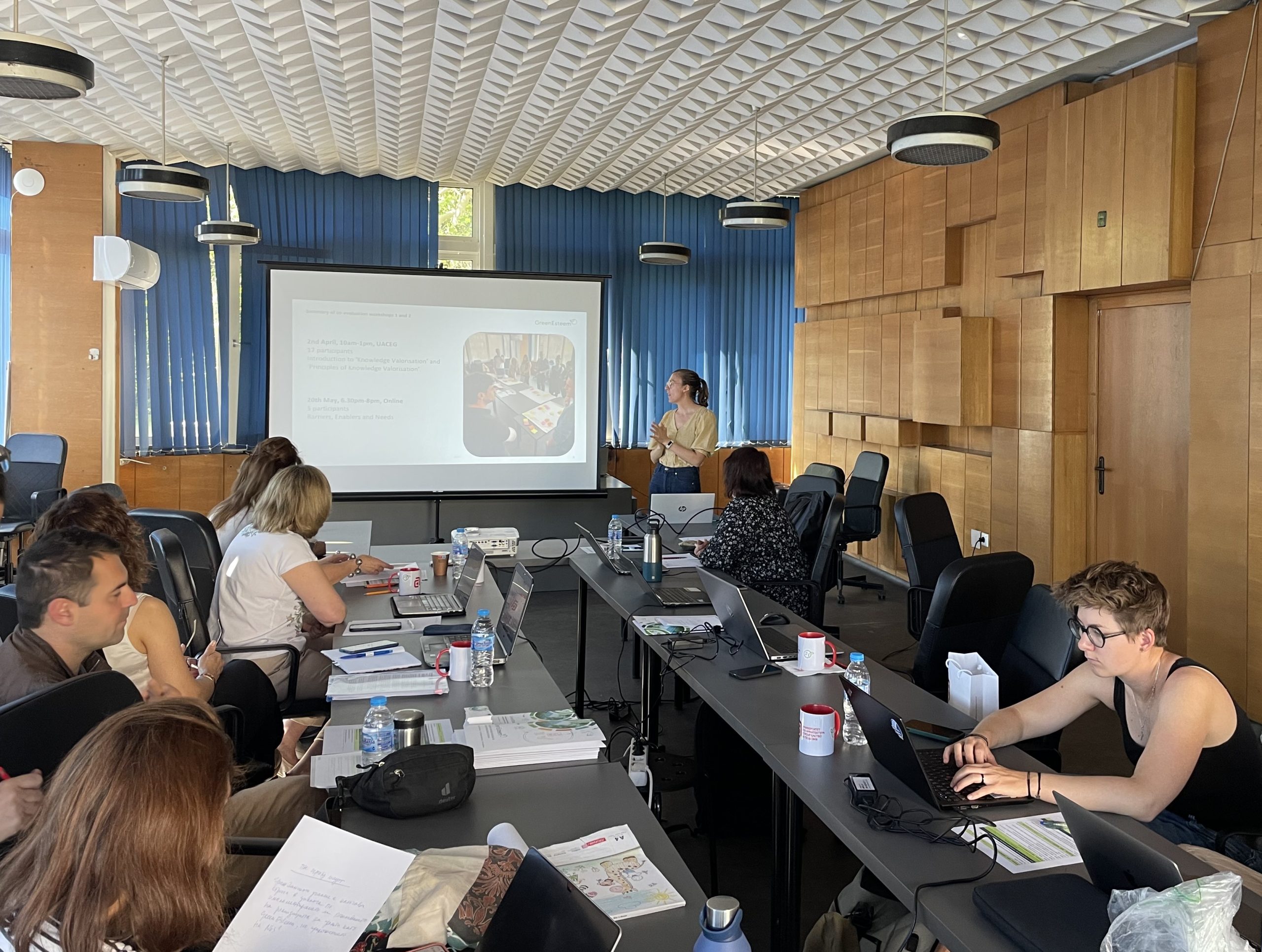
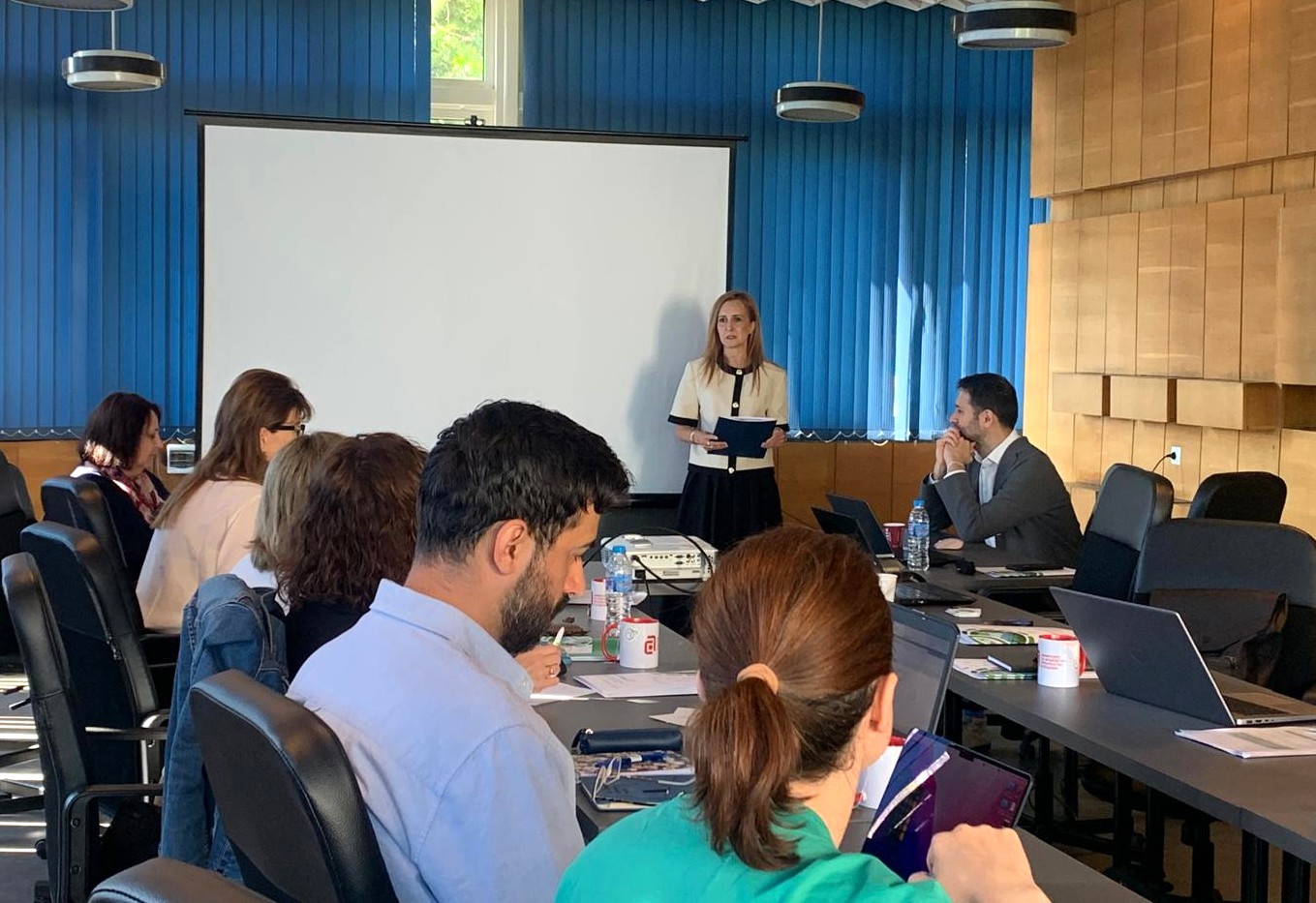
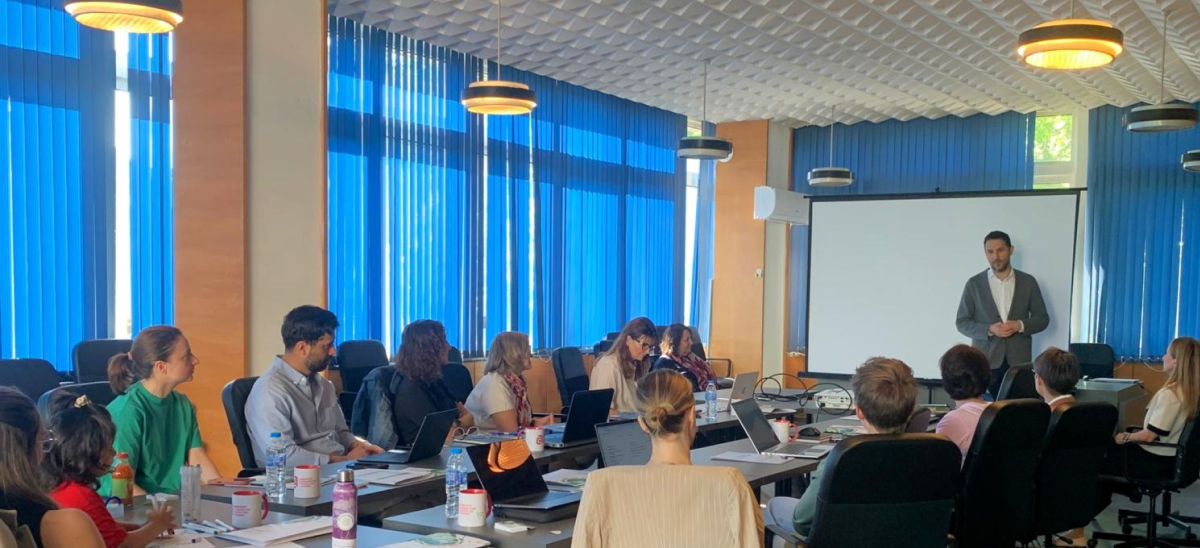
Hosted by the University of Architecture, Civil Engineering and Geodesy and welcomed by senior officials of Sofia Municipality and university leadership, the GreenEsteem consortium gathered in Sofia, Bulgaria, from May 26–27, 2026. The meeting brought together project partners from Poland, Bulgaria, and Austria to review progress achieved during the first eight months of the project and coordinate upcoming activities focused on the co-creation and evaluation of Nature-Based Solutions.
The two-day meeting marked an important milestone in reviewing the project’s first eight months of activities and achievements, and further develop collaborative approaches for implementing Nature-Based Solutions in urban environments.
The GreenEsteem consortium was warmly welcomed in Sofia by Ljubo Georgiev, Deputy Mayor for Urban Planning of Sofia Municipality, who emphasized the importance of citizen participation in shaping the urban environment and highlighted the role of nature-based solutions in building a more sustainable, resilient, and adaptive city.
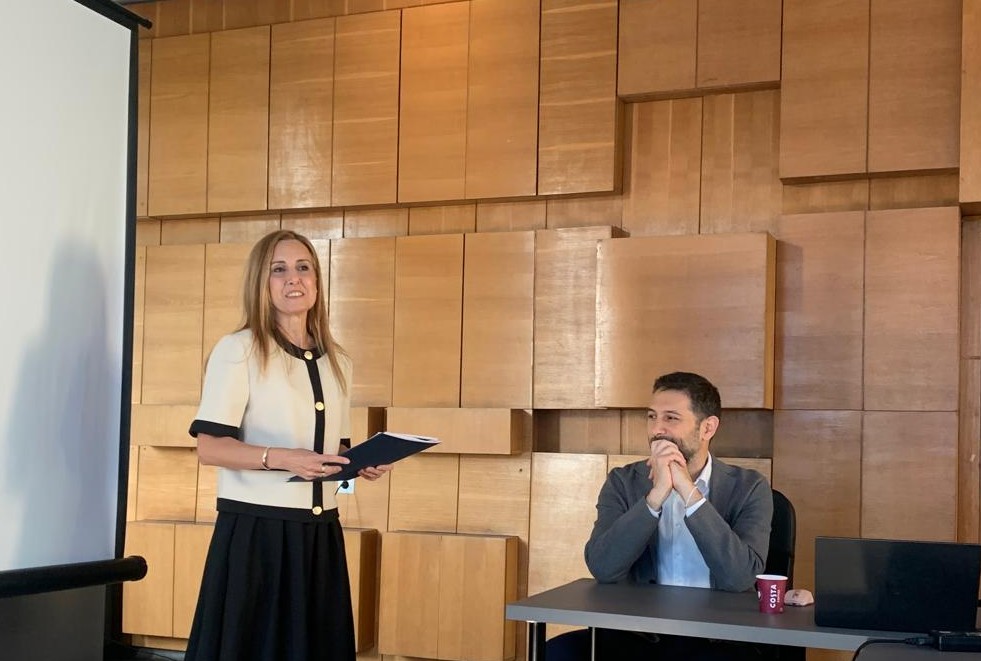
Welcoming the consortium to Sofia, Professor Elena Peneva-Zlatkova, Vice Rector of the University of Architecture, Civil Engineering and Geodesy, highlighted the importance of collaboration between academia, local government, and civil society in addressing urban and climate challenges.
“Finding a balance between nature and the built environment is not merely a scientific task – it is a mission for the future of our cities. The GreenEsteem project is truly unique because it believes in the power of co-creation. This collaboration between academia, local government, and the civil sector is a living example of how sustainable and inclusive communities are built,” said Professor Peneva-Zlatkova.
From Stakeholder Insights to Action
The consortium reviewed progress in collaborative knowledge creation and participatory approaches for Nature-Based Solutions. During the first project phase, partners mapped existing good practices, analysed governance frameworks in Sofia and Konin, and engaged local stakeholders from academia, municipalities, civil society, and local communities.
The project made a strong progress in identifying and mapping good practices, barriers, and requirements for collaborative knowledge valorisation. More than 150 projects and knowledge sources related to Nature-Based Solutions across Europe were reviewed, leading to the identification of around 20 inspiring best practices. This work supports the project’s aim of improving collaborative knowledge sharing and helping cities and communities apply effective, locally adapted Nature-Based Solutions through stronger cooperation between research, policy, and practice.
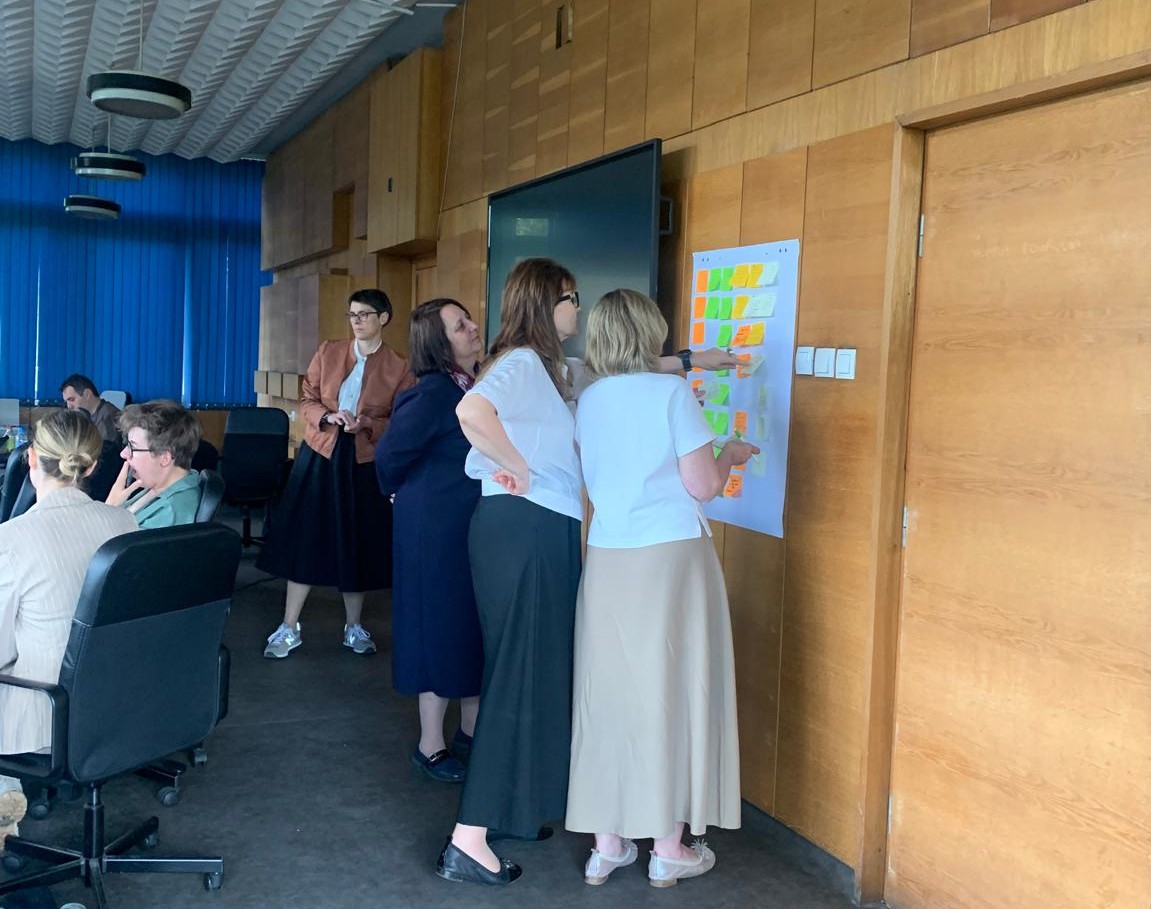
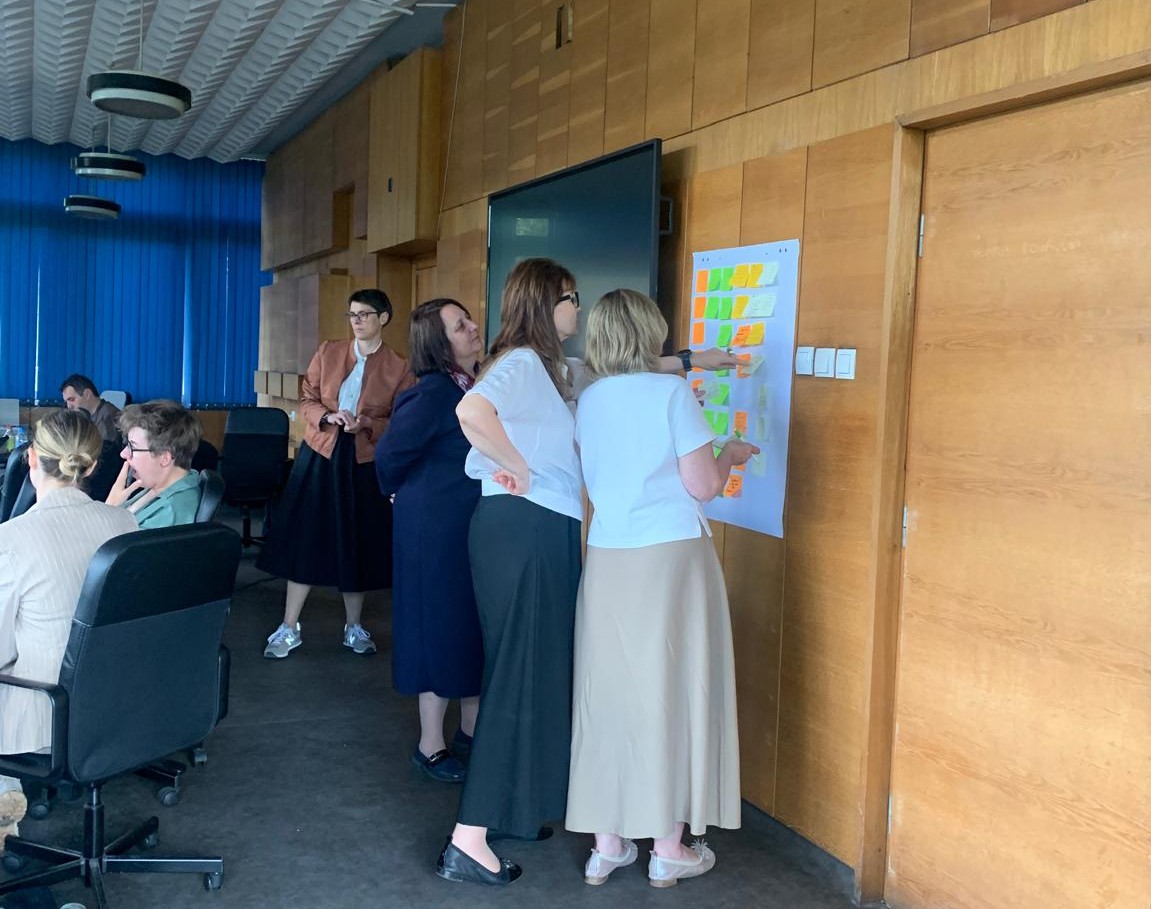
A central focus of the consortium meeting was the progress achieved in the co-evaluation and co-design of Nature-Based Solutions in the Sofia and Konin living labs. Through participatory workshops, project partners and local stakeholders explored collaborative approaches for the sustainable implementation and maintenance of greener urban solutions that support ecosystem integrity and climate adaptation. Two co-evaluation workshops in Sofia and one workshop in Konin engaged 50 representatives from local authorities, research institutions, civil society organisations, businesses, and local communities to jointly assess existing NBS practices, exchange knowledge and experiences, and identify criteria for more effective urban solutions.
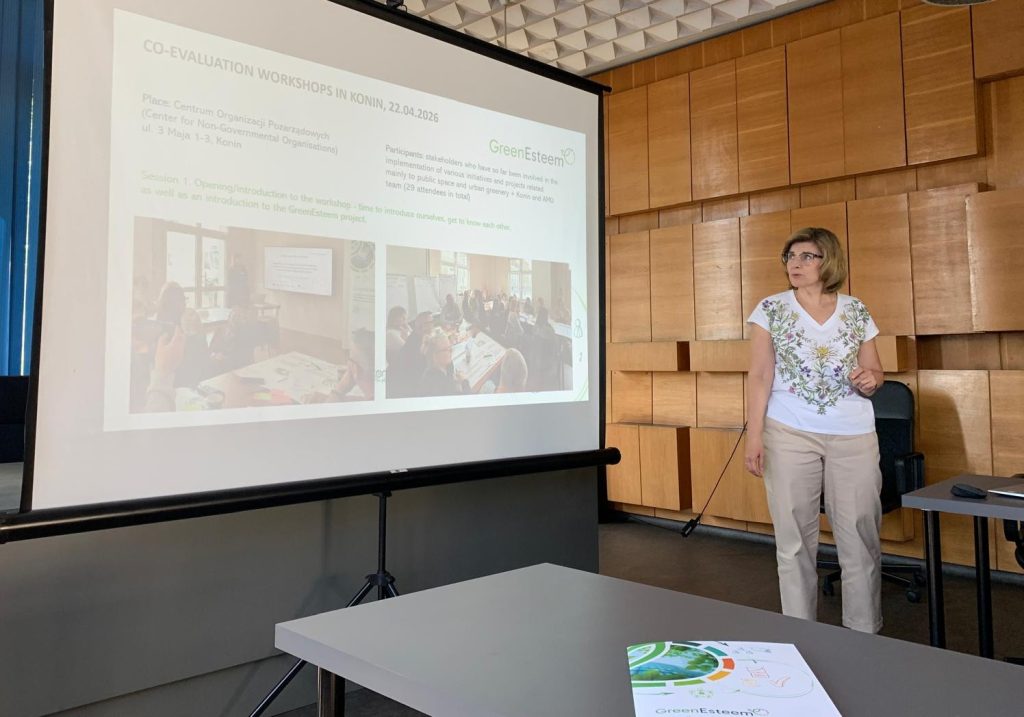
These early findings from workshops emphasize the importance of cross-sector cooperation, citizen engagement, and access to practical knowledge, while also identifying key challenges such as administrative barriers, limited institutional support, and difficulties in translating knowledge into long-term action. The workshop findings will directly contribute to the next phase of the project, including the co-design of local pilot actions, training activities, and strategic recommendations aimed at strengthening collaboration and knowledge valorisation for more sustainable and resilient cities.
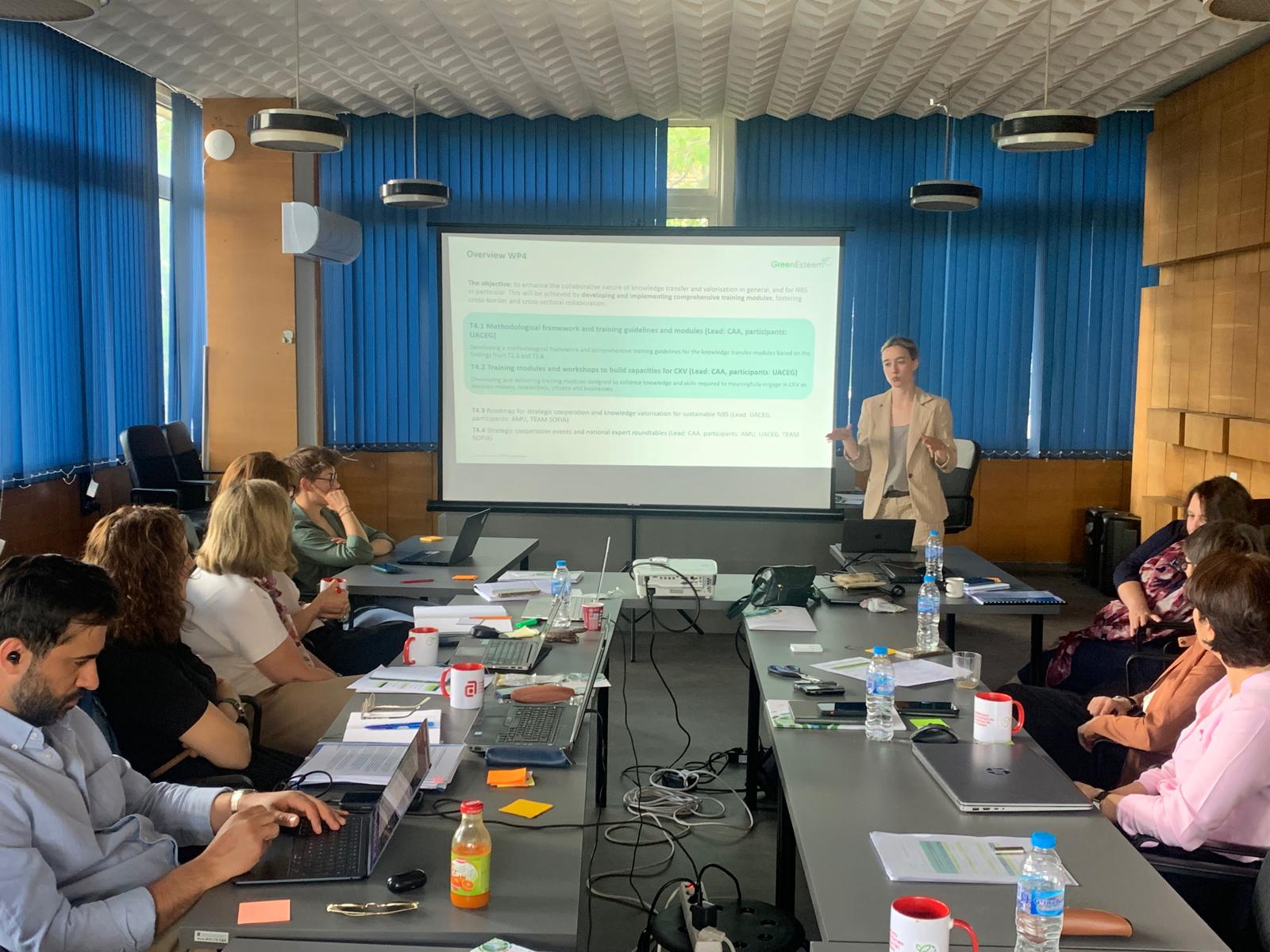
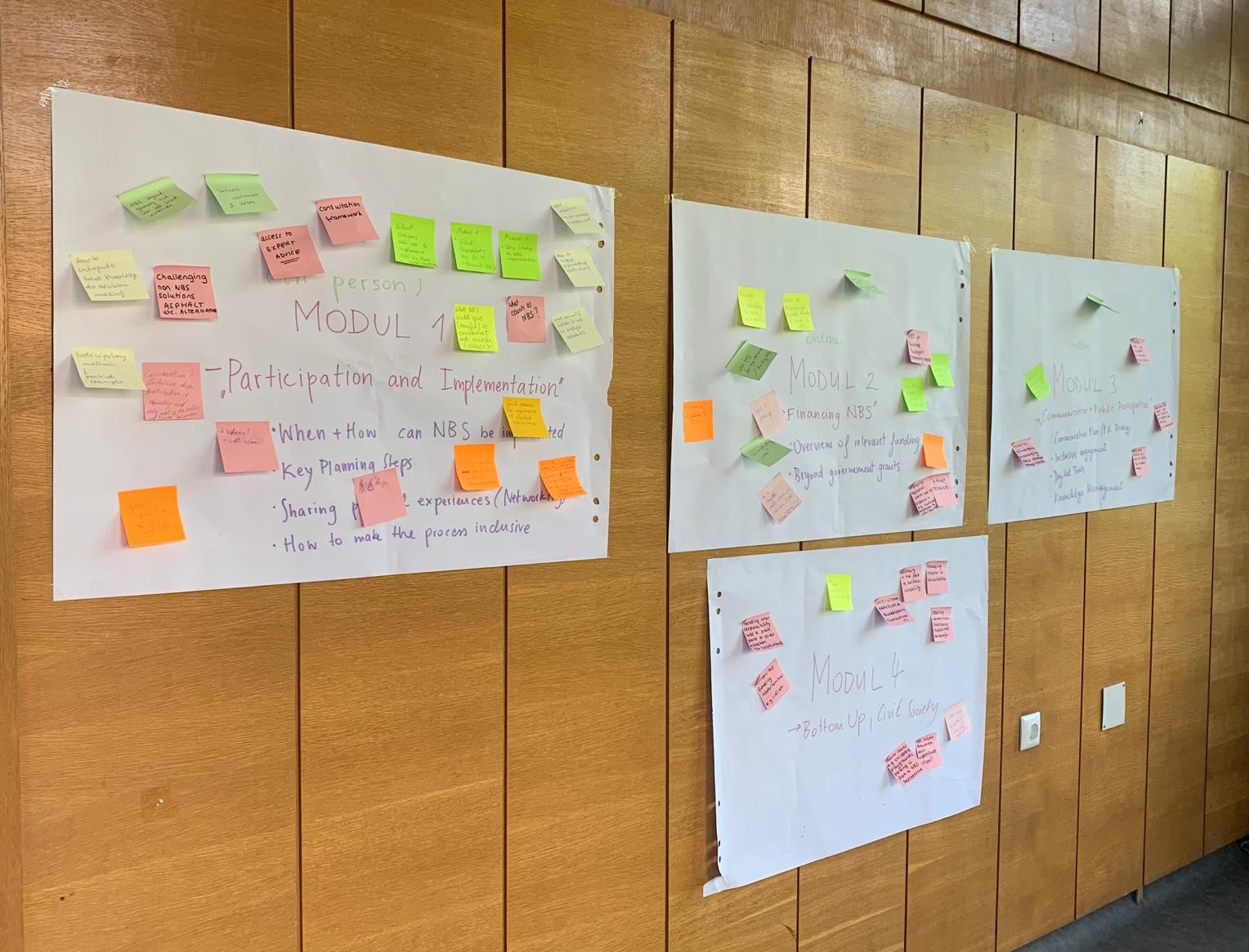
The consortium also brainstormed on the next project phase focused on transferring knowledge and strengthening cooperation across sectors and countries. Upcoming activities will include the development of training modules, strategic cooperation roadmaps, expert roundtables, and capacity-building workshops designed to support stakeholders in collaboratively planning, implementing, and maintaining Nature-Based Solutions.
Sofia Living Lab Demonstrates the Power of Participatory Urban Planning
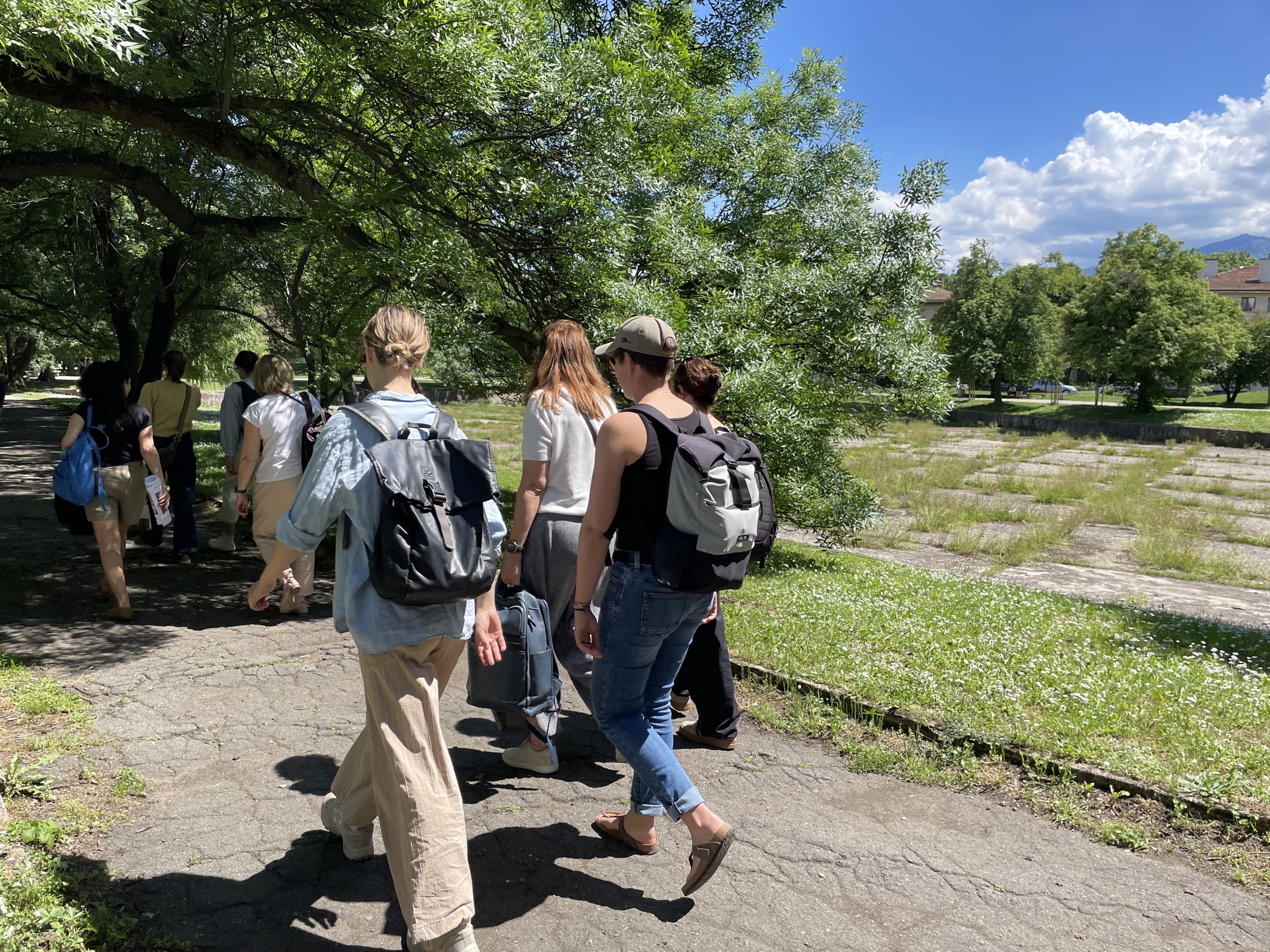
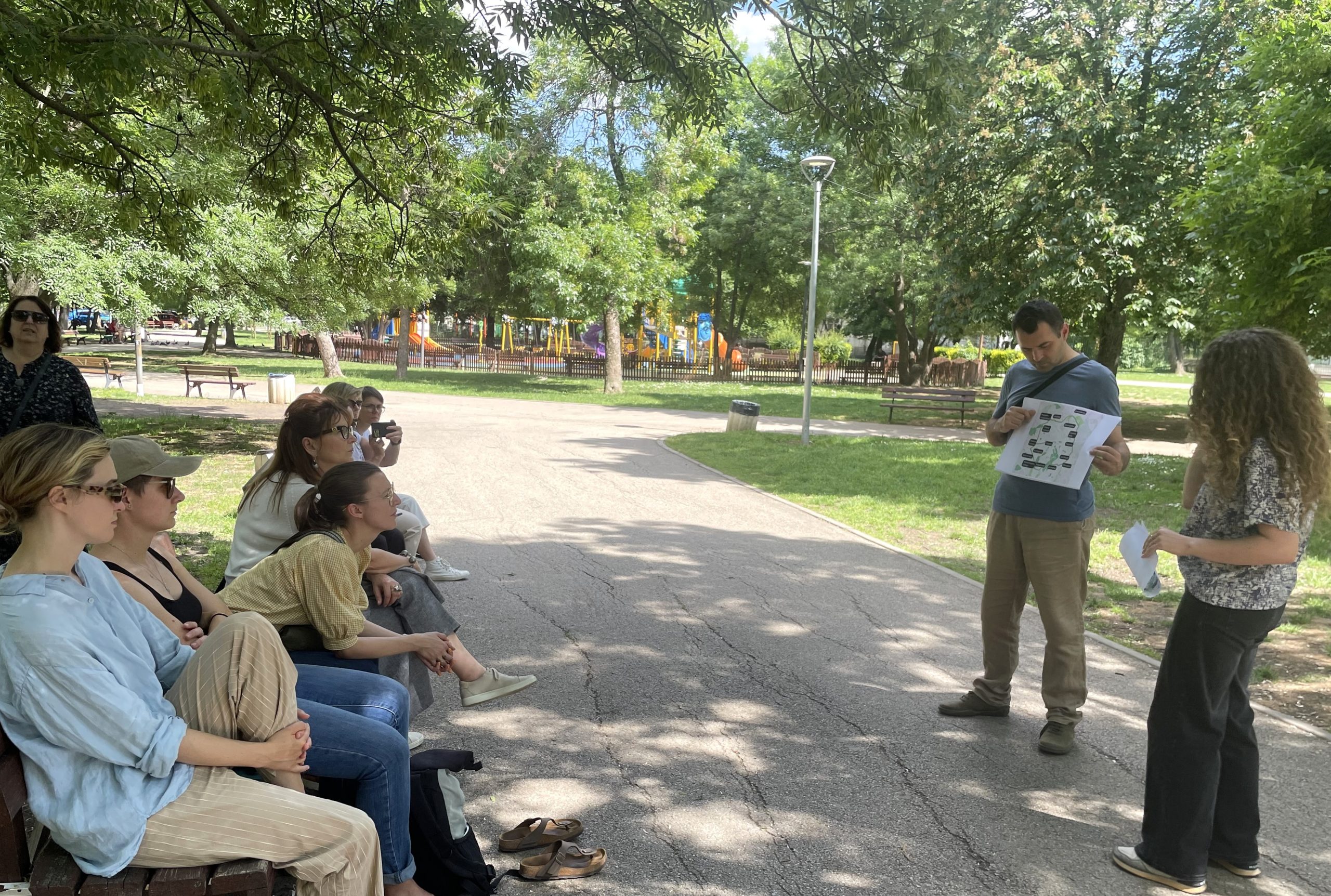
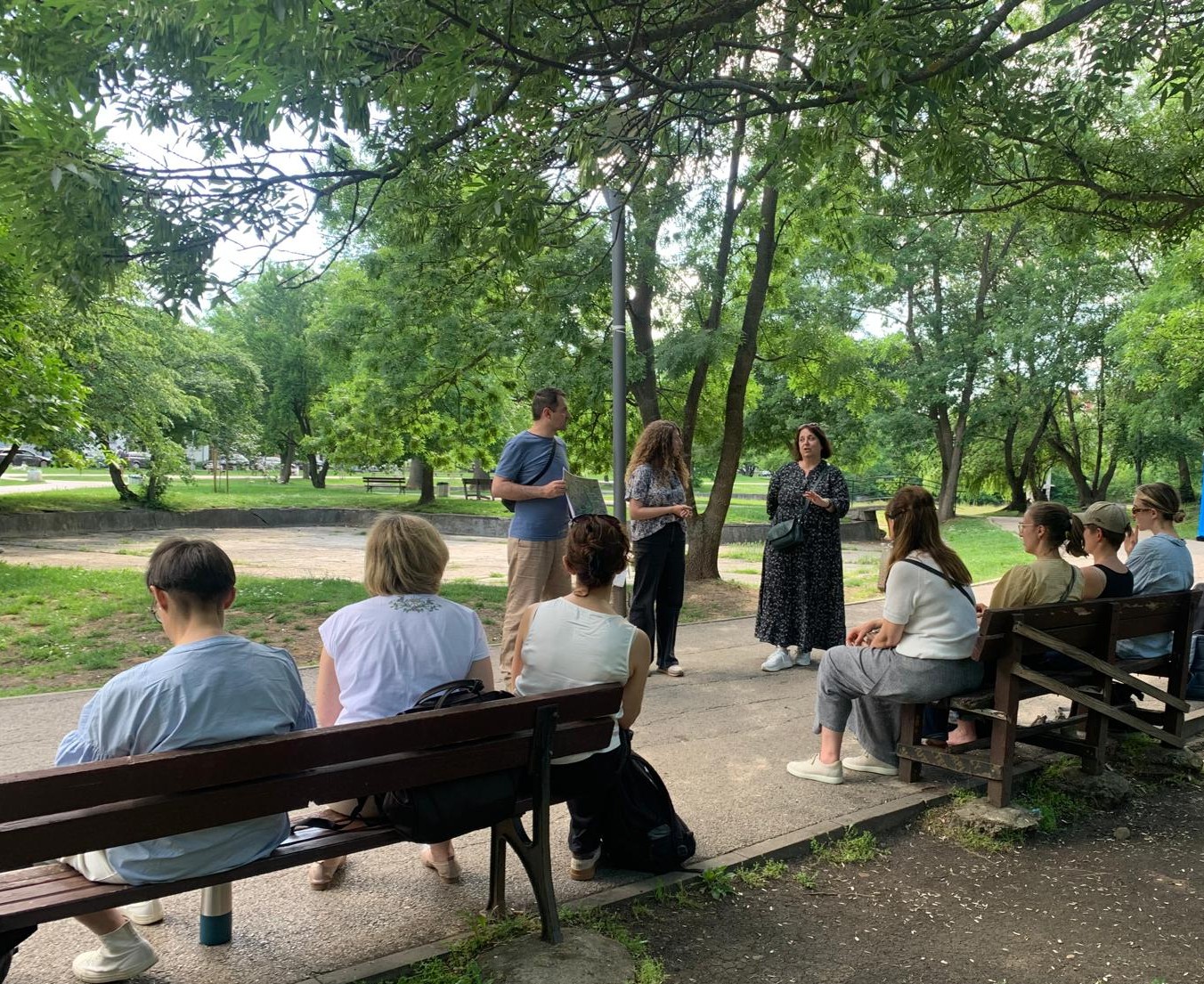
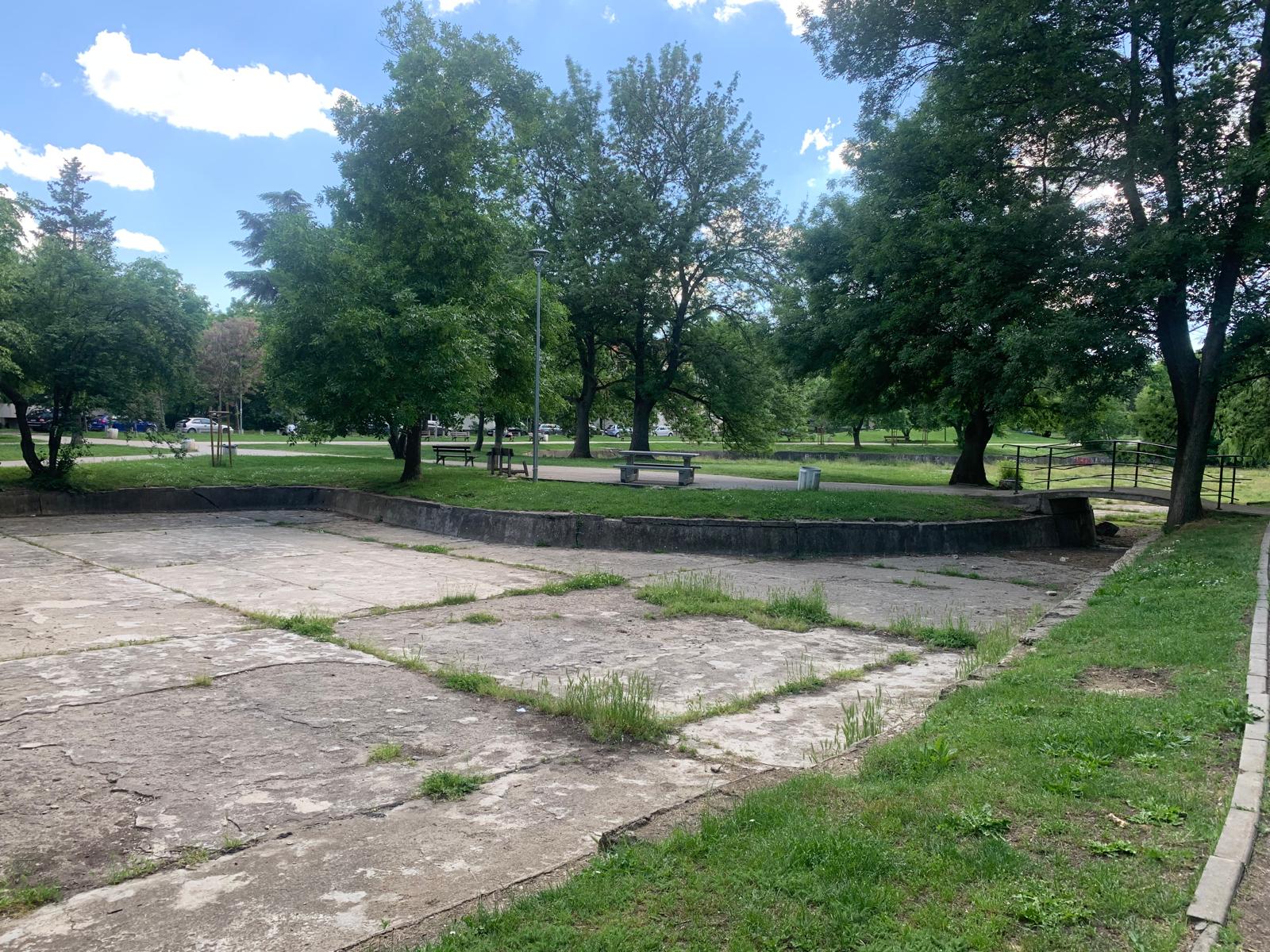
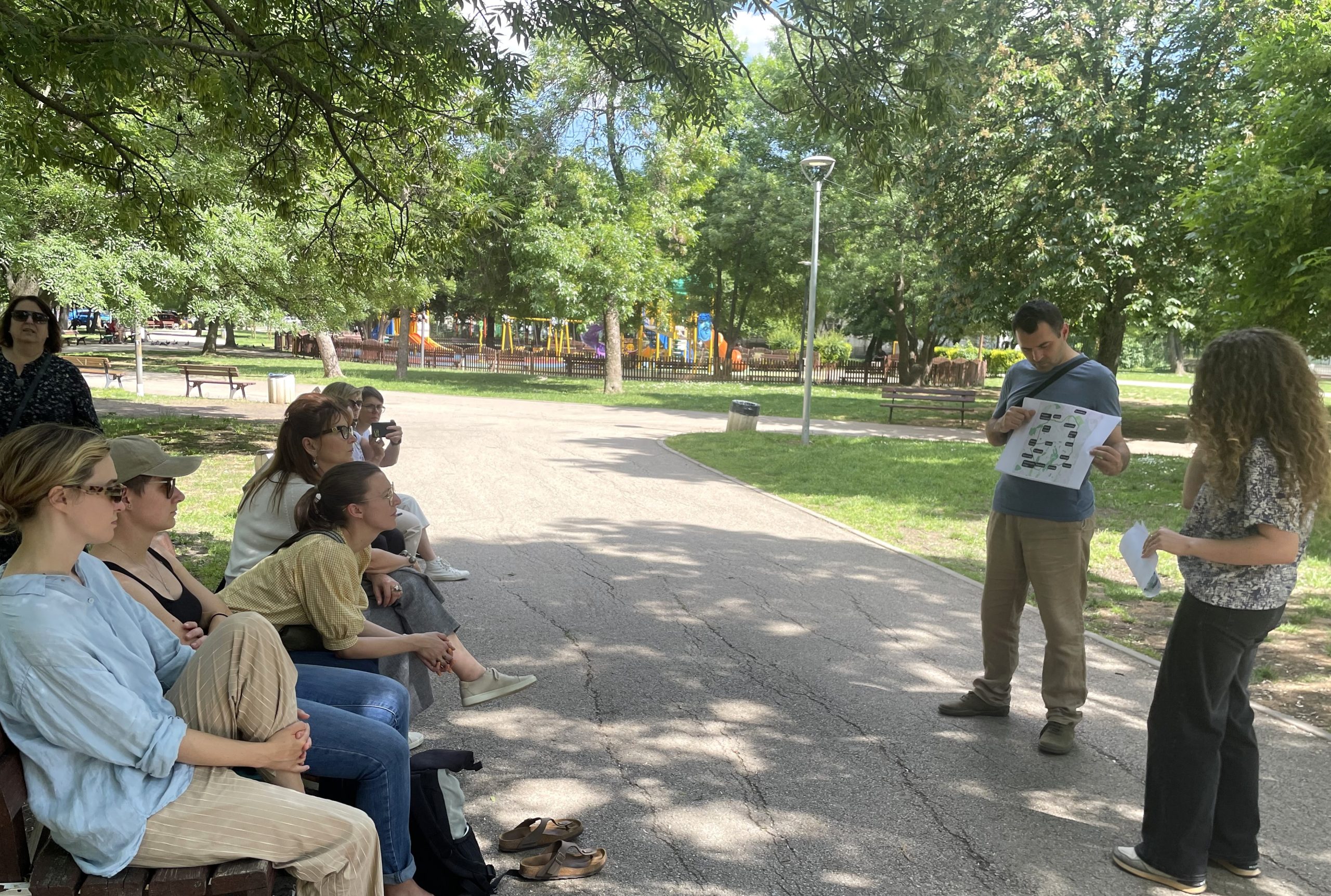
A highlight of the project meeting was the visit to the Sofia Living Lab in the Lebeda Park neighbourhood, where partners met with local stakeholders, municipal representatives, NGOs, and school students engaged in local community initiatives. The visit provided first-hand insight into the local challenges and opportunities related to greener urban development.
Through neighbourhood observations and discussions with local actors, GreenEsteem partners explored how participatory planning, local knowledge, and community engagement can support the long-term implementation and maintenance of Nature-Based Solutions.
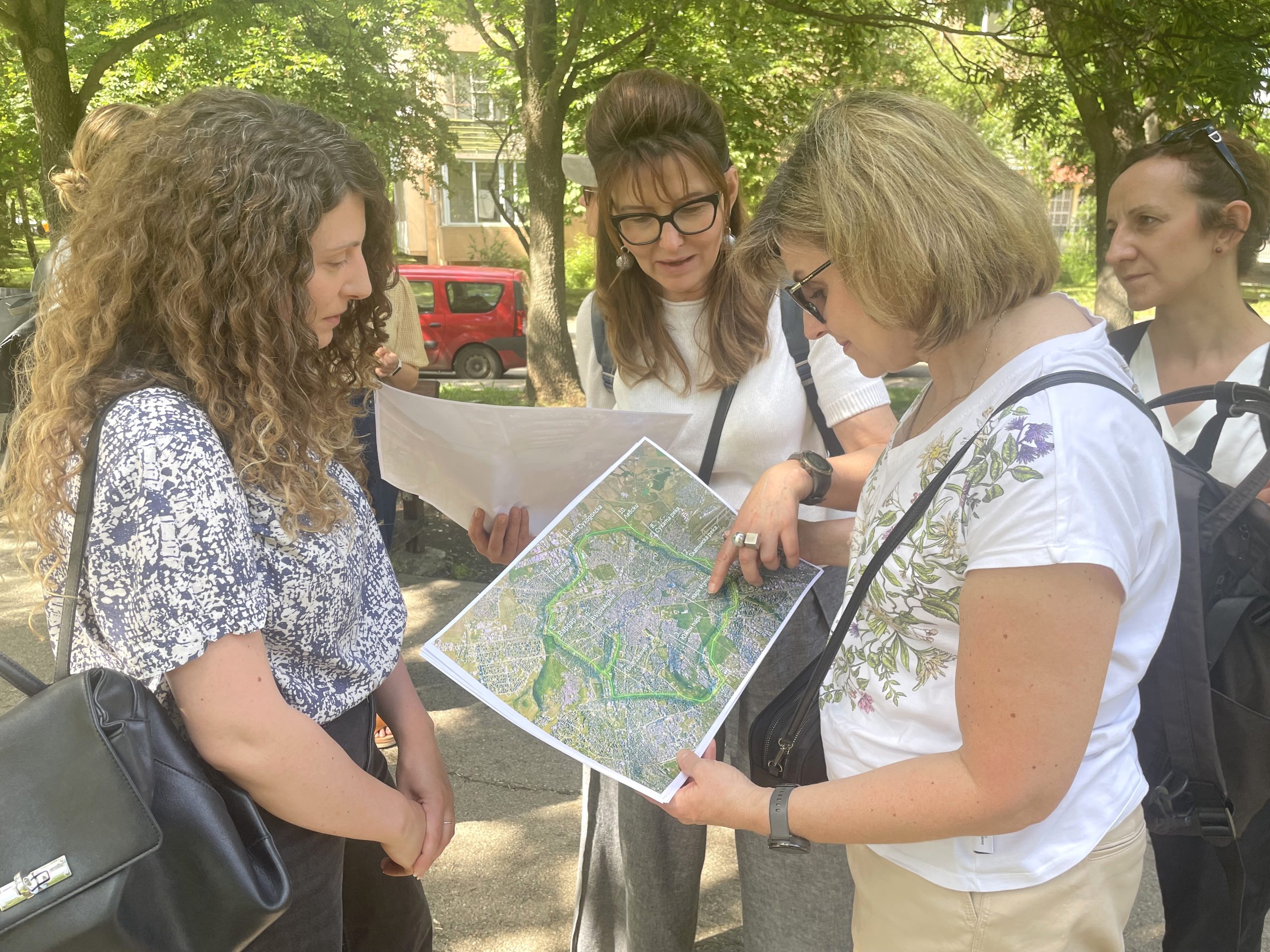
During the visit, Stanimira Nikolova, urban planning specialist from Sofiaplan, shared valuable experience from the Green Ring Sofia project on engaging local residents in urban planning and the joint development of public green spaces. Her presentation highlighted the importance of participatory approaches and long-term community involvement in developing more connected, inclusive, and sustainable urban environments. The transformation of Sofia’s abandoned railway corridors into a multifunctional green network offered an inspiring example of how Nature-Based Solutions can reconnect neighbourhoods, improve urban mobility, and turn underused spaces into shared public assets.
Next Steps: From Co-Evaluation to Co-Design
Building on the findings from the co-evaluation workshops, the next phase of GreenEsteem will focus on the co-design of practical and locally adapted Nature-Based Solutions in the Sofia and Konin living labs. Through a series of participatory workshops, researchers, municipalities, local businesses, civil society organisations, and citizens will work together to identify priority urban areas, develop shared visions for greener public spaces, and explore possible solutions tailored to local environmental and social needs.
The co-design process will combine mapping activities, collaborative discussions, and virtual reality tools to help stakeholders visualise and assess future Nature-Based Solutions scenarios. The workshops will also support the development of concrete action plans for the long-term implementation and maintenance of the selected interventions, ensuring that proposed solutions are both community-driven and feasible in practice.
The first co-design workshops in Sofia are scheduled for June 2026 and will focus on identifying neighbourhood priorities, exploring initial concepts for the selected site, and discussing themes such as urban greenery, water management, mobility, and social uses of public space. A second workshop will introduce virtual reality models to support participants in collectively shaping and refining future visions for the area.
About GreenEsteem
Launched in October 2025, the GreenEsteem project’s mission is to empower diverse stakeholders to work hand-in-hand for knowledge co-creation, making the development of scientific insights more collaborative, accessible, and sensitive to society’s needs. For this endeavour, the project brings together expertise from the natural and social sciences disciplines for NBS, as well as experts in co-creation methods and community engagement. Both living lab locations – Konin and Sofia – are supported by a university-local actor partnership.