

Citizen Engagement and Collaborative Design in Sofia
Sofia, Bulgaria, is a city with a wealth of parks and green spaces in residential neighbourhoods. However, despite an existing green infrastructure, many green spaces are not well maintained with monuments and facilities frequently in a state of disrepair.
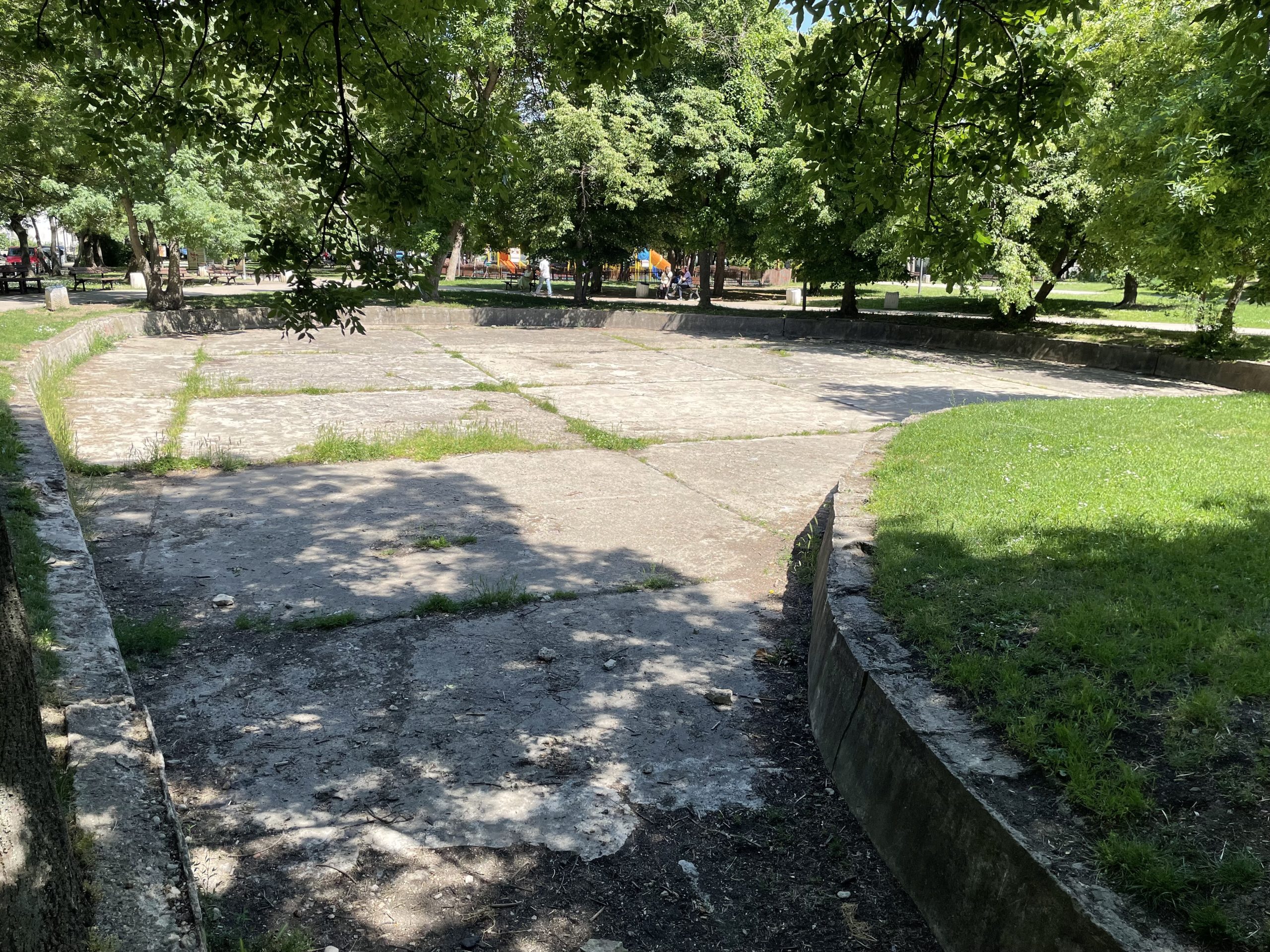
GreenEsteem’s Living Lab in Sofia brings together citizens, local authorities and experts to co-design and implement Nature-Based Solutions to revitalize Park Lebeda’s lake, which has remained empty since the 1980’s. This concrete basin occupies around a third of the park’s area, creating a void in a vital piece of green infrastructure of the West Park neighbourhood.
Engaging Citizens in West Park Neighbourhood
Following co-evaluation workshops in Sofia in April and May, which provided valuable insights into the administrative, political and financial context for implementing Nature-Based Solutions in Bulgaria, the next stage of the GreenEsteem project focused on engaging citizens and other stakeholders in the West Park neighbourhood. These co-design workshops contribute to the Living Lab approach by fostering collaboration between citizens, public administration, businesses, academia and civil society.
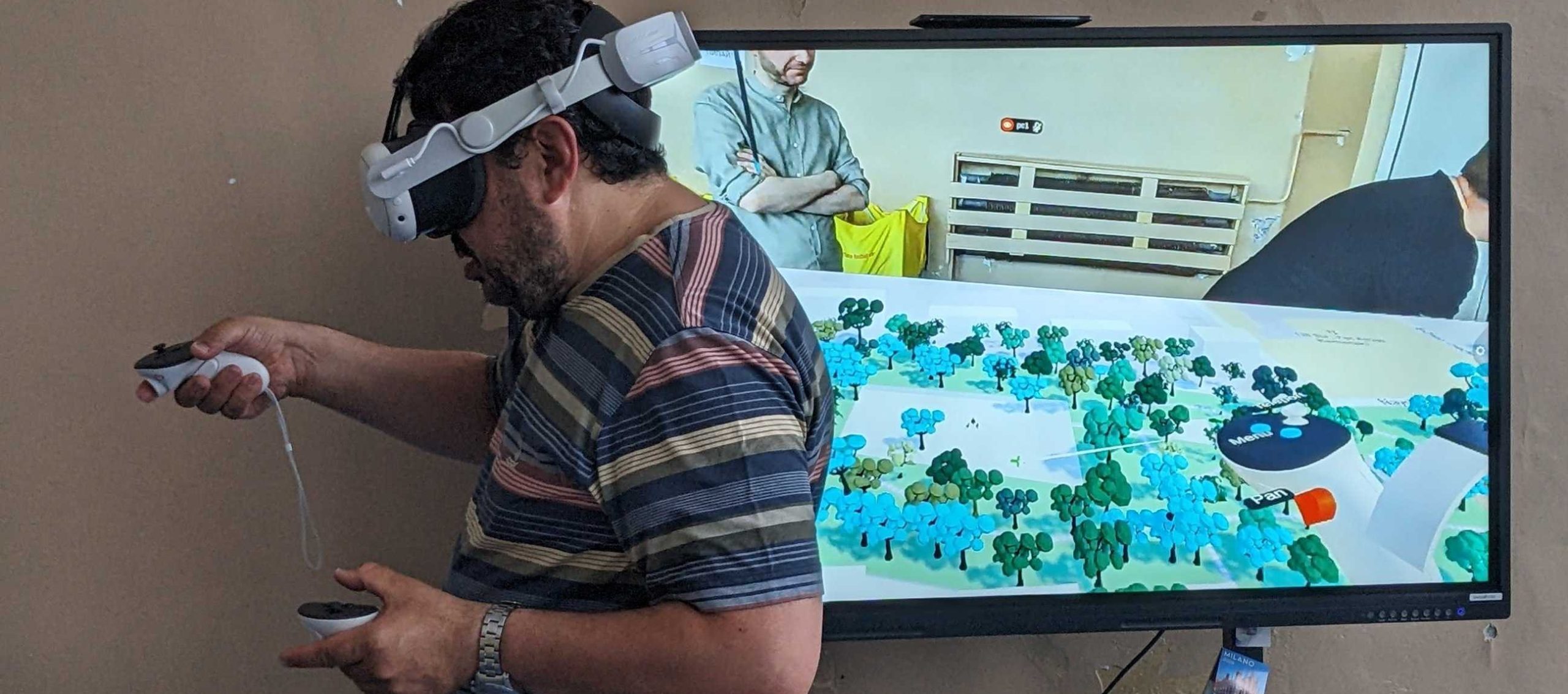
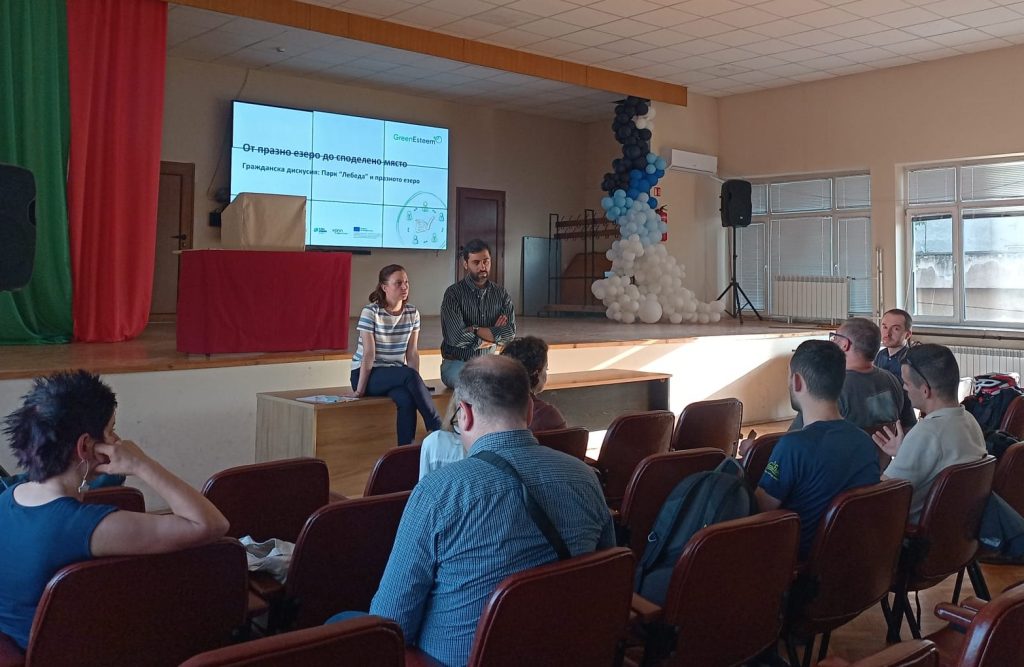
Team Sofia hosted two workshops in July 2026, bringing together community activists, residents and municipal representatives to discuss how people use Park Lebeda and explore future possibilities for the lake area. The workshops consisted of two parts: a public discussion followed by a virtual reality (VR) workshop, where participants could visualise and reshape the space by placing greenery, street furniture and other features to explore different scenarios for the park’s transformation.
An Intergenerational Space for Local Residents
Park Lebeda is an important place for recreation and relaxation for residents of the neighbourhood. Despite the neighbourhood being named after and bordering Zapaden Park, there is limited access from the neighbourhood to the park. As a result, Park Lebeda, with its landscaping, children’s playground and café, serves as the main recreational space for many residents. It is also a key transit point, with many people passing through the park each day to reach the metro.
The park is an intergenerational space used by families, young people and pensioners. Discussions with participants in both workshops highlighted the importance of ensuring that the park remains a space for local residents. Not only do those living around the park value it as a space for their local community, but they are also mindful of existing parking problems in the neighbourhood. Participants highlighted that any attraction drawing people from other parts of the city by car would be unsuitable, as it would exacerbate existing congestion and parking on green verges.
The recognition of the space’s history as a lake was also a recurring theme, with members of the local community sharing that many people in the neighbourhood remember the lake and would like to see it restored. Unfortunately, this is unlikely, as the lake relied on potable water rather than a natural water source, and the concrete banks have deteriorated over the past forty years. Despite this, Team Sofia noted that references to the history of the park and the lake’s former glory are important to the community and should be reflected in the development of the Living Lab.
While the initial project focuses on the smaller of the two lakes, discussions also highlighted the need for a vision for the entire site, encompassing both ponds that make up the lake, as well as a solution for the unfinished, privately owned structure that once housed a restaurant. Stakeholders advocated for a holistic development plan rather than a piecemeal approach.
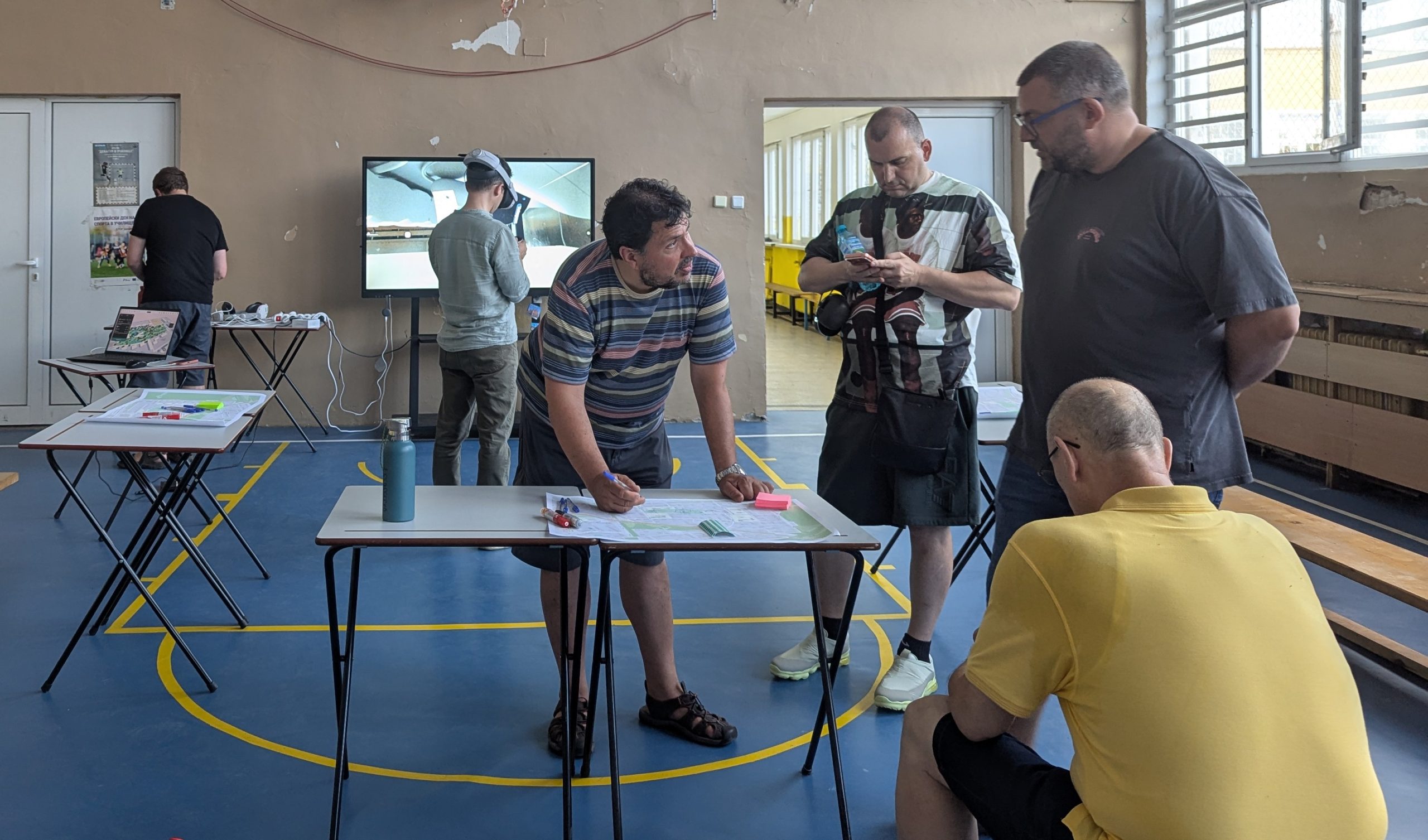
The virtual reality workshop brought together participants from the previous workshop, while the invitation also generated noticeable interest and discussion in the neighbourhood’s Facebook group. Attendees first explored the VR technology with guidance from an invited expert before discussing desired improvements for the park, mapping their ideas on a printed plan, and seeing them visualised in the virtual environment. Ideas included restoring water to the lake, creating a dedicated dog-walking area, and planting a hedge to prevent cars from parking along the park’s edges. Some participants also experimented with AI-generated alternative designs, comparing different concepts and exploring the technology’s potential for participatory park planning.
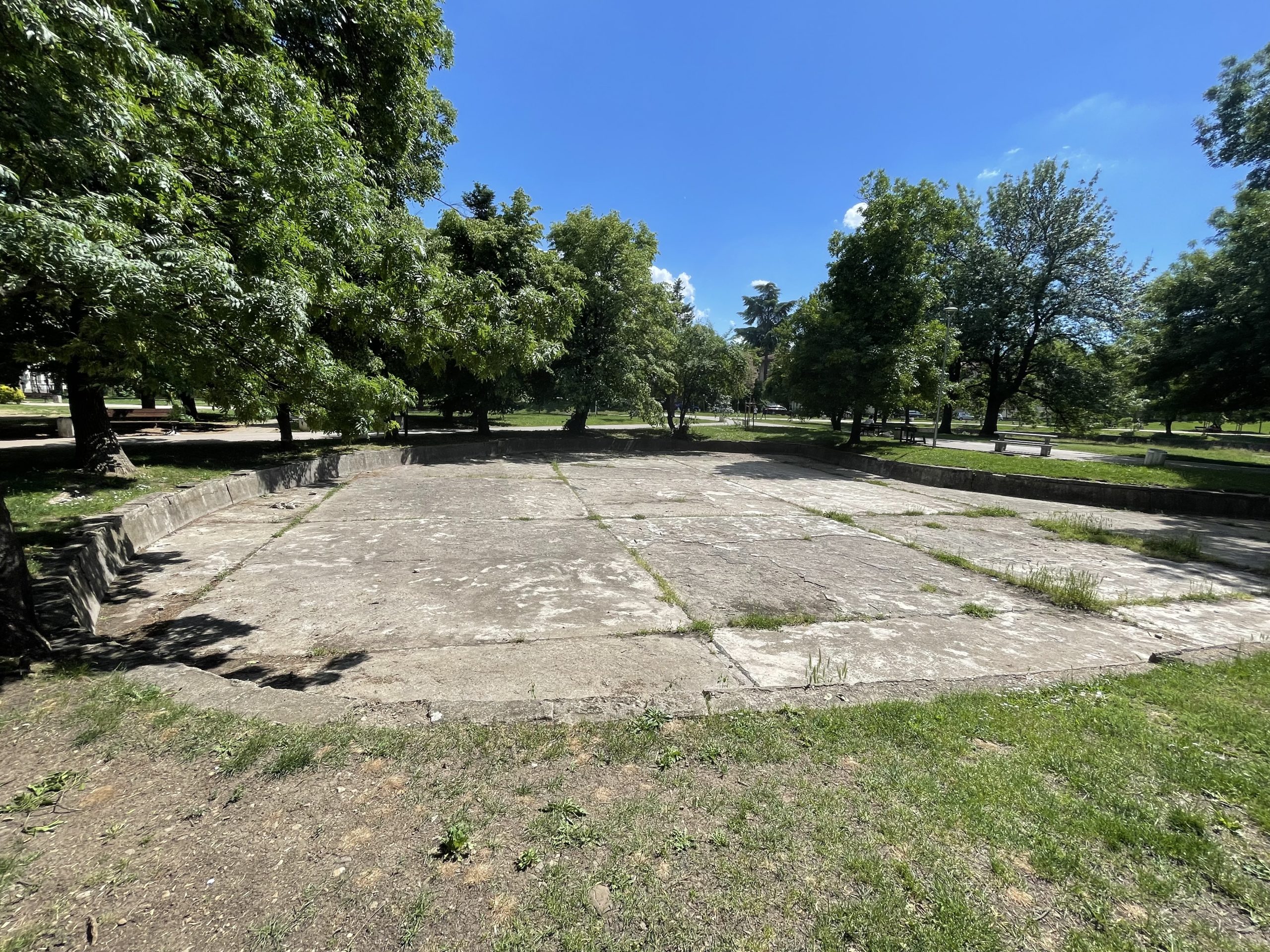
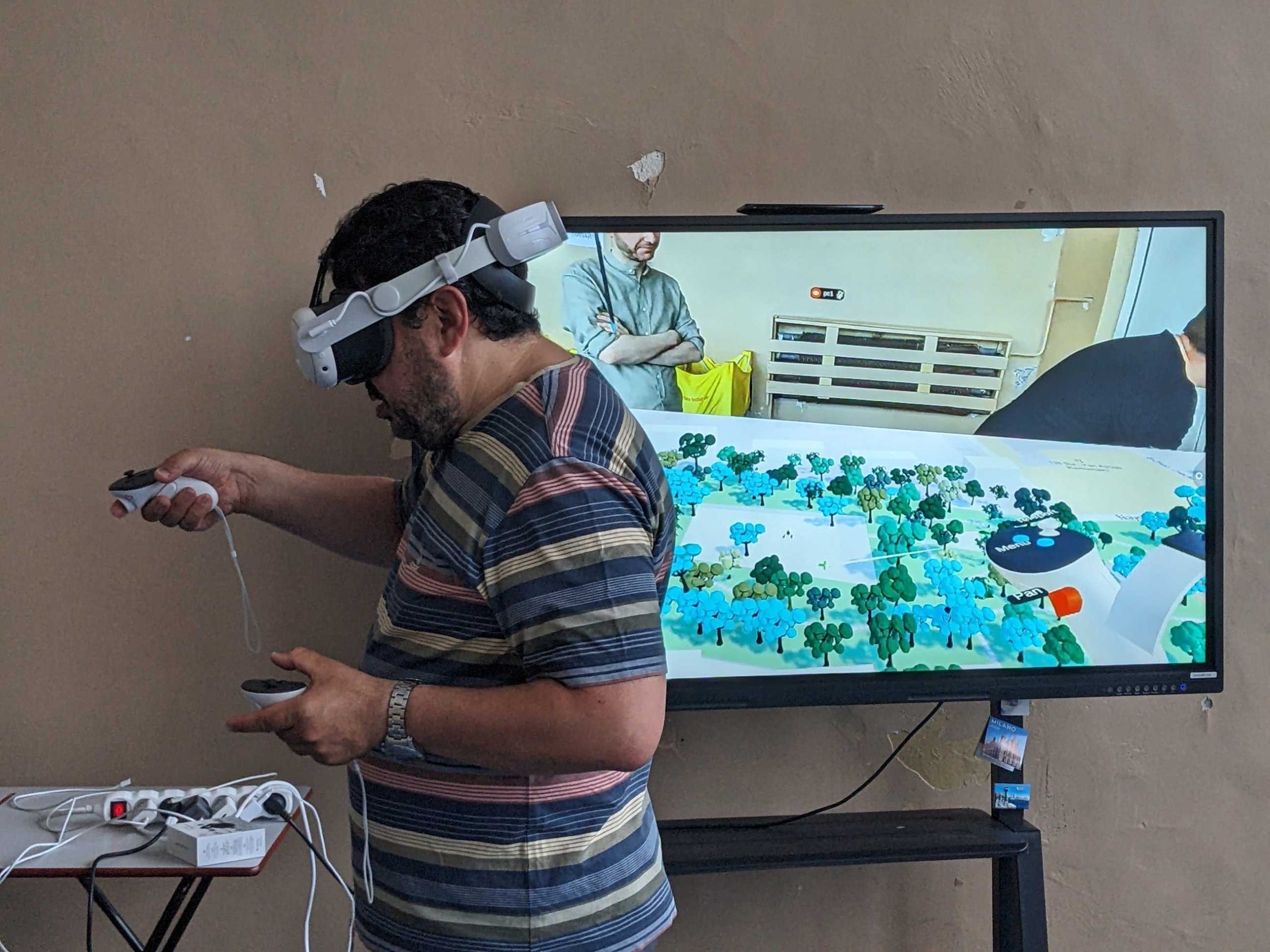
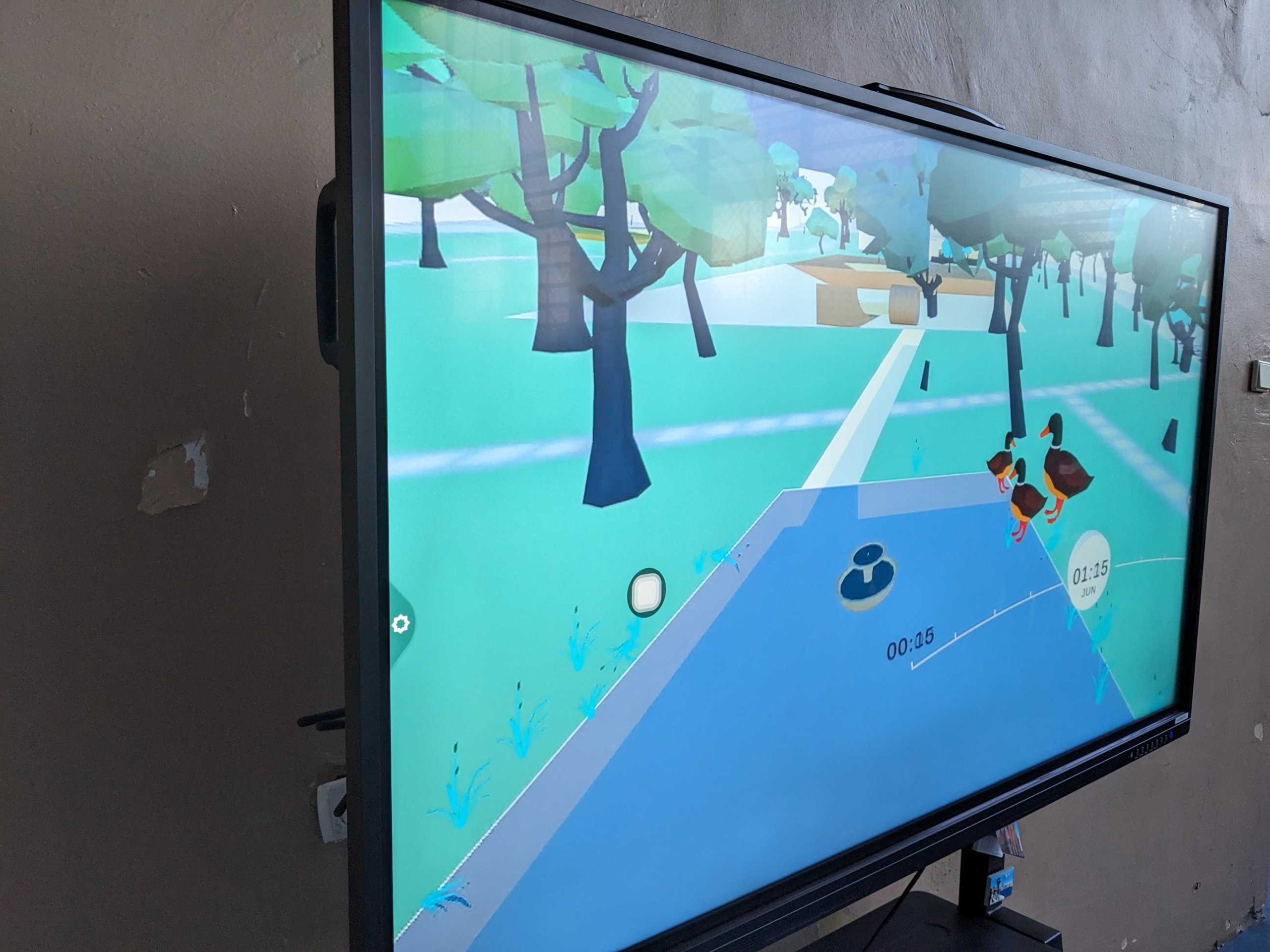
Using virtual reality, participants explored and shaped potential designs for the future revitalisation of Park Lebeda’s lake as part of the GreenEsteem Living Lab.
A Collaborative and Inclusive Process
Consultations with stakeholders will continue over the summer, with a survey and in-person consultations taking place in the park in July and August. In September, concepts for the space will be presented, followed by a collaborative workshop to develop practical steps for implementing the Living Lab.
Author: TEAM SOFIA
Follow us on social media and stay up-to-date!
Keywords
Nature-based Solutions, living labs, citizen engagement, co-design, urban green spaces, Bulgaria, Sofia