

When Extremes Become the Rule
Why Cities Need Nature-Based Solutions Now
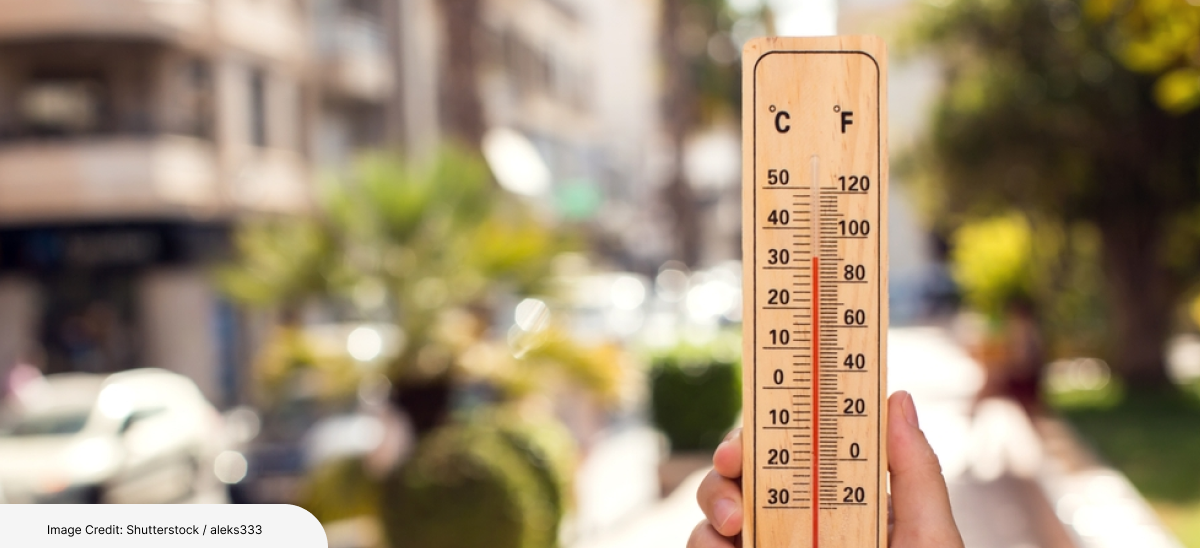
The first half of 2026 has already shown Europe clearly what kind of weather extremes are likely to become more frequent in the future. As early as May, there was a rapid shift from below-average temperatures to an unusually early and intense heatwave, making May 2026 the second-warmest May globally since records began.
By late June, a heatwave gripped large parts of Europe, including Germany, France, the United Kingdom, Spain, Portugal, Italy and Austria. Temperatures broke June records in country after country – some of which had stood for decades. Schools closed, infrastructure was disrupted, and health authorities issued warnings. At the same time several regions experienced powerful thunderstorms bringing heavy rain, hail and gale-force winds.
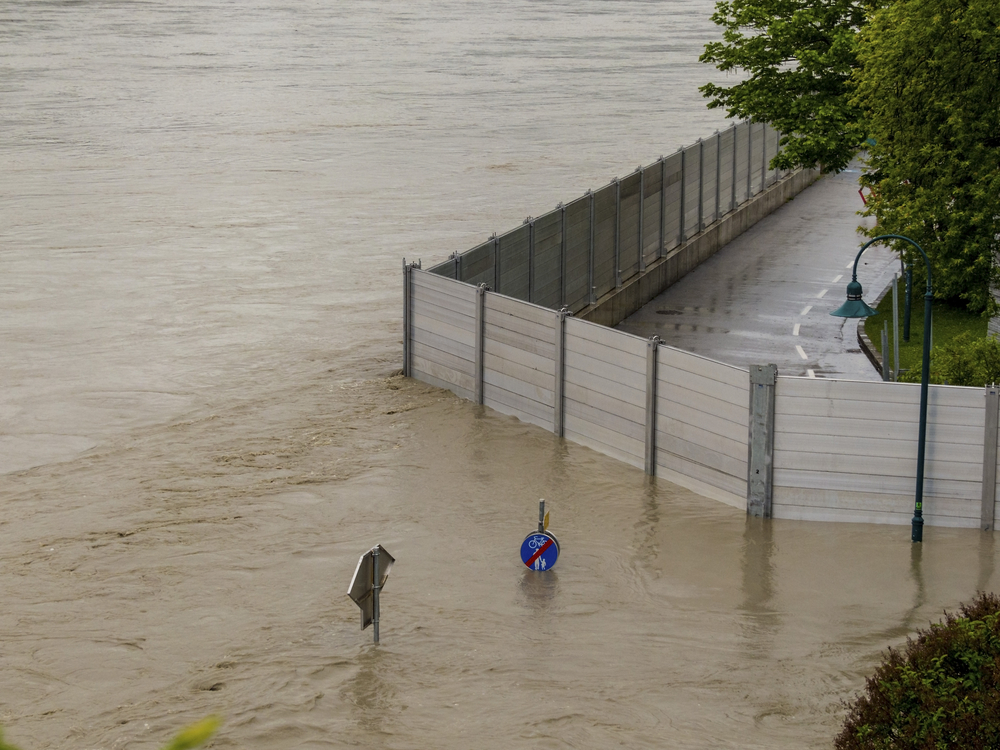
These kinds of extremes are not isolated events but part of a broader pattern: increasingly volatile weather that can quickly escalate into major disasters. Heavy rainfall, in particular, is becoming more intense and more frequent, significantly raising the risk of flooding. A striking example is Storm Boris, a low-pressure system that caused catastrophic flooding in parts of Central and Eastern Europe in September 2024, resulting in loss of life and billions of euros in damage
Why Is It Hitting Us Harder?
Extreme weather has always existed. What has changed is the frequency and intensity of these events – extremes that were once rare are becoming the norm. A warmer atmosphere can hold more moisture and releases it in more concentrated bursts. The result: longer dry spells, interrupted by increasingly intense precipitation events – often within the same summer, sometimes even within the same week.
At the same time, we’ve built cities that are particularly ill-equipped for exactly this back-and-forth. Sealed soil can’t absorb rainwater – it runs off the surface instead of seeping into the ground, reducing the natural cooling effect of evaporation. Concrete and asphalt store heat and add to it during hot periods. And where trees are missing, so is the shade and evaporative cooling that can make streets liveable even on the hottest days. Our cities have made themselves vulnerable – to heat just as much as to water.
It is not about building higher dikes or relying on stronger air-conditioning systems, but about redesigning cities so they can better absorb heat, manage heavy rainfall, and reduce climate risks.
Working with Nature Instead of Against It
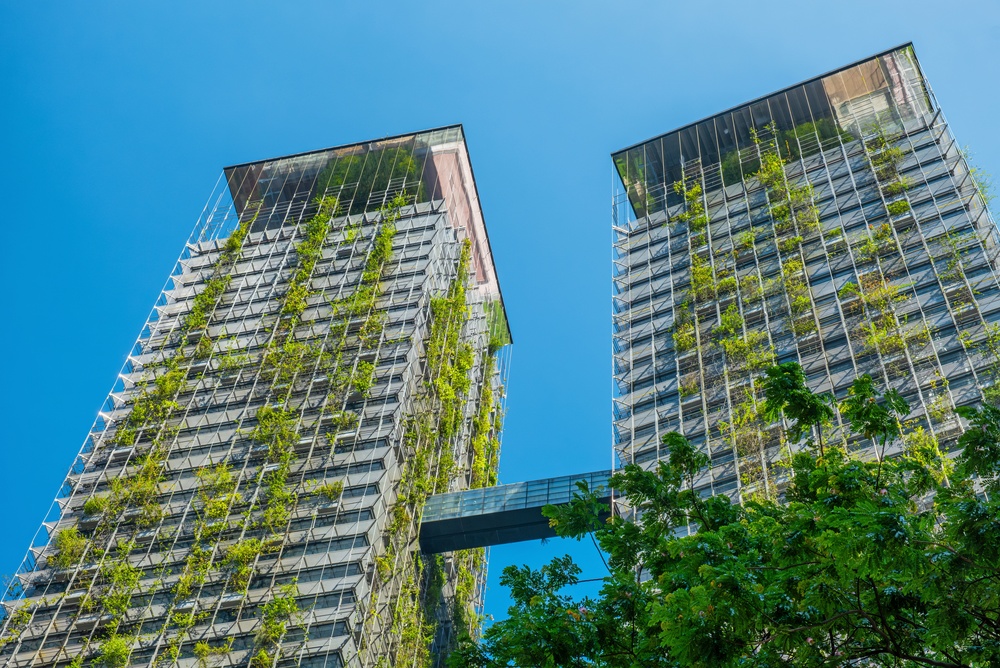
This is exactly where nature-based solutions (NbS) come in: approaches that harness ecological processes to reduce this vulnerability while solving several problems at once. These include green roofs and façades, permeable surfaces that let rainwater seep in, revitalised streams and wetlands, or simply more urban trees in the right places. Together, they form the green infrastructure that makes cities more resilient. The “sponge city” principle brings many of these approaches together under one idea: water should be absorbed and stored where it falls, rather than being drained away as quickly as possible.
The sponge city principle: absorb water where it falls, store it, and release it slowly – turning every downpour into a buffer against the next heatwave.
What Nature-based Solutions Can Do in These Situations
How can nature-based solutions help to address exactly these extremes?
Heatwaves make the cooling effect of trees especially clear. Trees have a significant cooling effect, which is particularly important in cities and densely built-up areas. They provide shade, cool the air through evaporation, and can thus noticeably improve the microclimate. That is precisely why they are a key component of urban heat protection.
In the case of heavy rainfall and flooding, the key is water retention: rather than relying solely on structural measures like dikes, restored rivers, floodplains and wetlands, along with de-paved surfaces, increase the landscape’s capacity to retain water and thus its resilience to flooding.
And for the drought striking at the same time: water that stays stored in the soil instead of running off becomes available exactly when it’s needed – as a cooling reserve or for irrigation. Nature-based Solutions therefore connect flood protection and drought preparedness – two issues that seem contradictory at first glance but share the same solution: greater water retention in the landscape.
Multiple Benefits for Cities and Communities
The real advantage of Nature-based Solutions lies in the fact that they never serve just one function. A restored stream isn’t just flood protection – it’s also a recreational space and a habitat for animals and plants. A green roof doesn’t just cool – it improves air quality and extends the lifespan of the roofing material. A de-sealed, green space becomes a social meeting point while also boosting quality of life in a town centre.
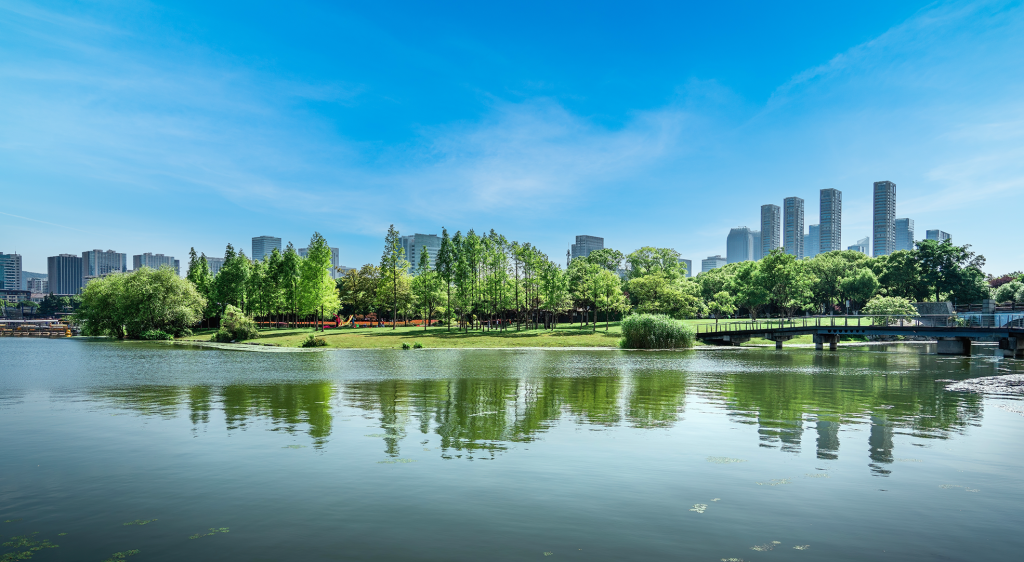
Nature-based solutions can mitigate the impacts of extreme weather events while simultaneously delivering ecological, social and economic benefits – improved health, biodiversity, recreational opportunities and new jobs. For communities, this means: an investment in NbS is rarely just an investment in protection. It pays off on multiple levels at once.
What Cities and Communities Can Do Now
The first step is often simply not to wait for the next extreme event. Taking stock of sealed surfaces, assessing de-sealing potential, making green roofs standard for new municipal buildings, planting more trees in strategically sensible spots in town centres – these are achievable first steps that don’t need to be implemented all at once.
This is exactly where GreenEsteem comes in: the project fosters exchange and knowledge transfer between different stakeholders – from local governments to planners and civil society – through training programmes, participatory formats and experience drawn from the Living Labs in Konin and Sofia, helping cities and communities take concrete steps towards climate adaptation.
Author: Climate Alliance Austria
Follow us on social media and stay up-to-date!
Keywords
nature-based solutions (NbS), climate adaptation, urban resilience, green infrastructure, heatwave / extreme heat